
Spiders in Arizona: The Pre-Close Checklist Realtors & Property Managers Should Use (Phoenix, Prescott, Flagstaff)
The 60-second answer
Most Arizona spiders are harmless, but spider complaints are high in rentals and listings because spiders show up in “transition zones” like garages, patios, storage rooms, meter boxes, and landscaping edges. For realtors and property managers, the fastest path to fewer move-in complaints is to (1) check the high-risk zones, (2) reduce harborage and prey insects, and (3) use a recurring exterior-first plan so webbing and sightings don’t rebuild between visits.
For medically important spiders, black widows are a common concern around structures; Sexton has a dedicated page explaining black widow habits and control that PMs can share with residents when needed. (sextonpestcontrol.com)
CDC notes that bites often happen when spiders are trapped or pressed against skin,exactly the scenario in stored items, gloves, shoes, and cluttered corners. (cdc.gov)
Why spiders become a recurring issue in managed properties
Spider problems in Phoenix, Prescott, and Flagstaff tend to cluster around four drivers:
- Undisturbed areas (garages, storage rooms, closets, utility spaces)
- Exterior lighting (lights attract insects → insects attract spiders)
- Harborage (cardboard, stacked items, patio clutter, dense vegetation against walls)
- Seasonal rebuild when properties go from “quiet” to “occupied” after turnovers
This is why one-time treatments can feel like they work… until the insect pressure returns and webbing rebuilds. Sexton’s preventative approach is built around controlling pests before they enter and reducing the conditions that attract them, language that fits perfectly in a PM playbook. (sextonpestcontrol.com)
Spiders property managers hear about most in Arizona
1) Black widows (medically important; common around structures)
University of Arizona Extension describes black widows as shy/secretive and commonly found in seldom-disturbed areas, a perfect match for where PMs encounter them: garage corners, storage stacks, behind patio items, and exterior clutter zones. (extension.arizona.edu)
PM-ready internal link placement: If you’re documenting widow risk pre-close or building a resident FAQ, Sexton’s Black Widows resource is an ideal internal link for “what they are / where they hide / what to do” without turning your blog into an ad. (sextonpestcontrol.com)
2) Arizona recluse (and recluse-type spiders in AZ)
University of Arizona Extension references the Arizona recluse and notes distinguishing traits (including the typical “violin” marking and eye pattern used in identification). (extension.arizona.edu)
PM note: Recluse concerns are often tied to storage habits (cardboard, stacked items, seldom-disturbed spaces) and “mystery bite” reports, so your best risk reduction is turnover protocols and clutter control.
3) High-visibility nuisance spiders (usually low medical risk)
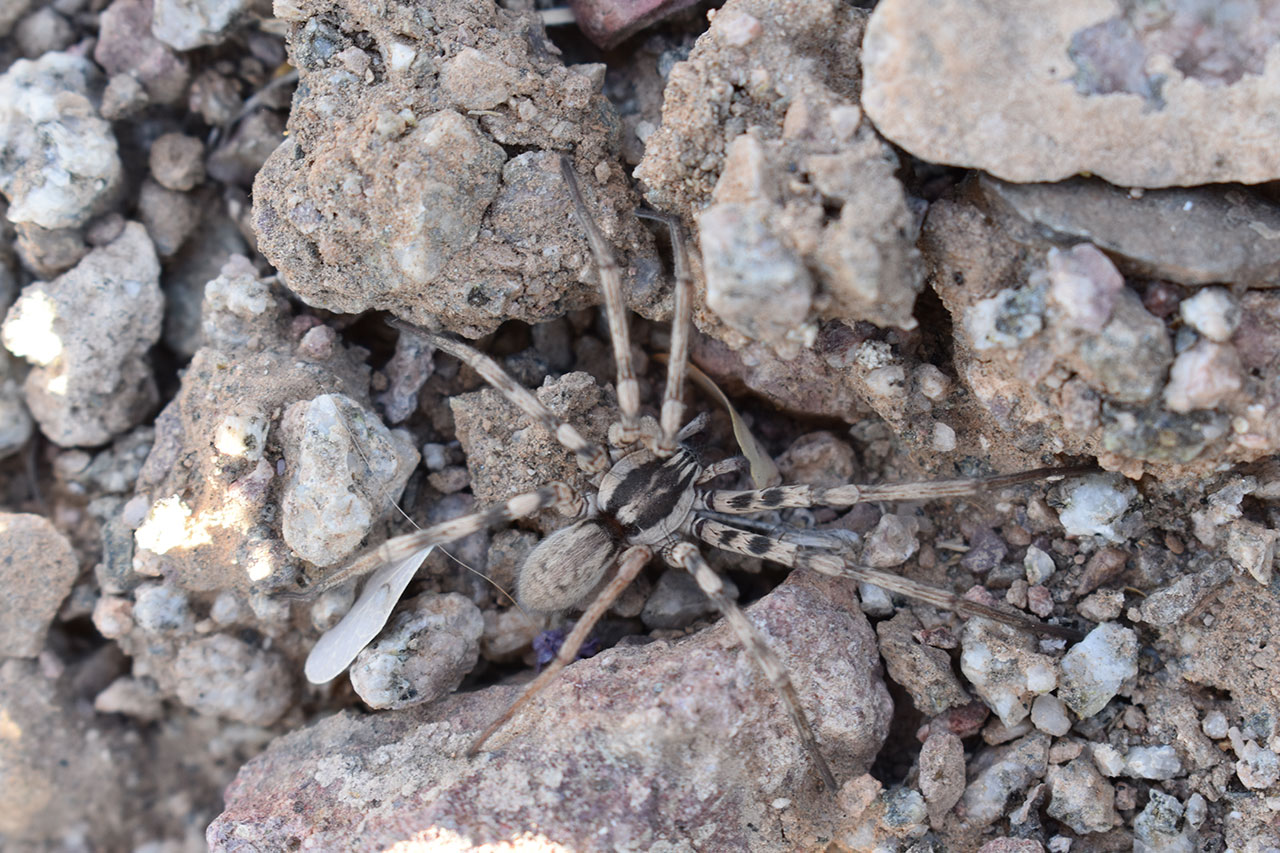
Wolf spiders, house/cellar spiders, and orb weavers drive the “big spider panic” calls. For property teams, this is mostly a resident experience + webbing issue around entryways, patios, and lighting.
The shareable Pre-Close Spider Checklist
Built to be reused by realtors, PM blogs, HOAs, and inspectors.
A) 3-minute interior scan
- Garages & door tracks: webbing, egg sacs, and “undisturbed zone” clutter
- Utility closets & under sinks: moisture + dark corners
- Stored items: cardboard stacks, boxes untouched for months
- Resident-risk items: gloves, shoes, towels stored on floors (common accidental contact scenario) (gov)
B) 5-minute exterior scan
- Exterior lights: webbing at corners, insect buildup around fixtures
- Meter/irrigation boxes: classic “seldom disturbed” habitat zones (widow risk) (arizona.edu)
- Patio furniture & grills: underneath, behind, and inside covers
- Landscaping contact: plants touching walls; wood/rock clutter tight to the structure
C) Decision rule
- Suspected widow/recluse: document + prioritize treatment before occupancy; don’t leave this as a “wait and see.” (gov)
- Heavy webbing at entryways/lights: plan recurring exterior service (this is usually an insect-prey + harborage issue).
- History of spider tickets: standardize prevention into your turnover workflow.
PM tip: If a property has repeat webbing or widow sightings, shifting from “as-needed” calls to a monthly-to-bi-monthly preventative rhythm is often what keeps spider pressure from rebuilding between visits, Sexton specifically references monthly to bi-monthly services for widow-focused control. (sextonpestcontrol.com)
What to tell tenants
You can reduce fear-driven escalations by using language like:
- “Most spiders are harmless, but we treat proactively, especially in garages and storage zones.”
- “Avoid reaching into undisturbed corners or stored items without checking first.” CDC notes many bites happen when spiders are pressed against skin or trapped. (gov)
- “If you suspect a medically important spider, don’t handle it, report it.”
If you want to link internally in a way that’s helpful (not salesy), point residents to Sexton’s Pest Control Resources page for general guidance and inspection credibility. (sextonpestcontrol.com)
How Sexton can make spiders a “non-issue” year-round
For managed properties, the win isn’t “kill one spider”, it’s prevent repeat complaints across seasons and turnovers. A complete plan typically includes:
- Exterior-first treatments (foundation/perimeter + spider-prone zones like garages, side gates, storage areas)
- De-webbing + harborage reduction guidance during turns
- Insect-prey reduction (because spiders follow food, especially around exterior lighting)
- Recurring cadence aligned to real-world pressure, often monthly to bi-monthly on properties where webbing or widows are repeat issues. (sextonpestcontrol.com)
This approach fits cleanly with Sexton’s preventative pest control positioning, designed to keep pests controlled proactively rather than reacting after residents complain. (sextonpestcontrol.com)
FAQ
Q: What spiders are the biggest concern for Arizona rentals?
A: Black widows are medically important and often live in seldom-disturbed areas like garages and storage zones; Arizona also has recluse species. Document suspected sightings and prioritize treatment before move-in. (extension.arizona.edu)
Q: Why do spider problems keep coming back at the same property?
A: Spider activity often tracks insect pressure around exterior lights and entry points, plus harborage like cluttered corners and landscaping contact. A preventative plan reduces both drivers. (sextonpestcontrol.com)
Q: What’s the fastest pre-close win for property managers?
A: Treat transition zones (garage + patio + exterior lights), reduce clutter/webbing, and address insect attractants, this prevents most move-in spider complaints.